

Clear aligner training for orthodontists: what actually moves the needle
Most of us learned aligners the hard way: a weekend intro, a stack of tutorials, and then a lot of trial and error on real patients. It works, eventually, but it is slow and it costs refinements. The gap is rarely the software or the brand. It is the biomechanics, and biomechanics is exactly what a good training programme should teach. Here is what separates training that changes how you treat from training that just fills a certificate.
Case-based, not feature-based
A lot of aligner courses teach the software: where to click, how to run a setup. Useful, but it is not the hard part. The hard part is deciding what to move, in what order, and how to anchor it, before you touch the software. Training built around real cases, worked from diagnosis to staging, transfers to your own patients in a way that a feature tour never will.
Biomechanics first
The predictable operators are not the ones who know the most software tricks, they are the ones who think in forces: where the anchorage is, which movement competes with which, why a case stalls. Good training spends its time here. Once the biomechanics are clear, the software is just the tool that executes them.
Peer feedback beats watching alone
Watching a lecture is passive. Bringing your own stuck case to people who treat the same problems, and having them pull it apart, is where the learning actually happens. Peer to peer, orthodontist to orthodontist, you see how others sequence, where they anchor, and what they would have done differently. That exchange is hard to get from a video library.
What to look for in a course
If you are choosing where to invest your time, look for:
– Real cases worked end to end, not just software demos.
– A clear biomechanical framework you can reuse, not a list of one-off tips.
– Room to bring your own cases and get direct feedback.
– Trainers who treat with aligners themselves, day to day.
The point of training is fewer refinements
Good training pays for itself in cases that finish closer to plan: fewer refinements, shorter treatments, more predictable results. That is the real return, and it comes from understanding the mechanics, not from memorising the interface.
—
Want to build that kind of judgement with people who treat the way you do? The SAS Method teaches advanced aligner biomechanics at Smart Aligner Services, peer to peer, from orthodontist to orthodontist.
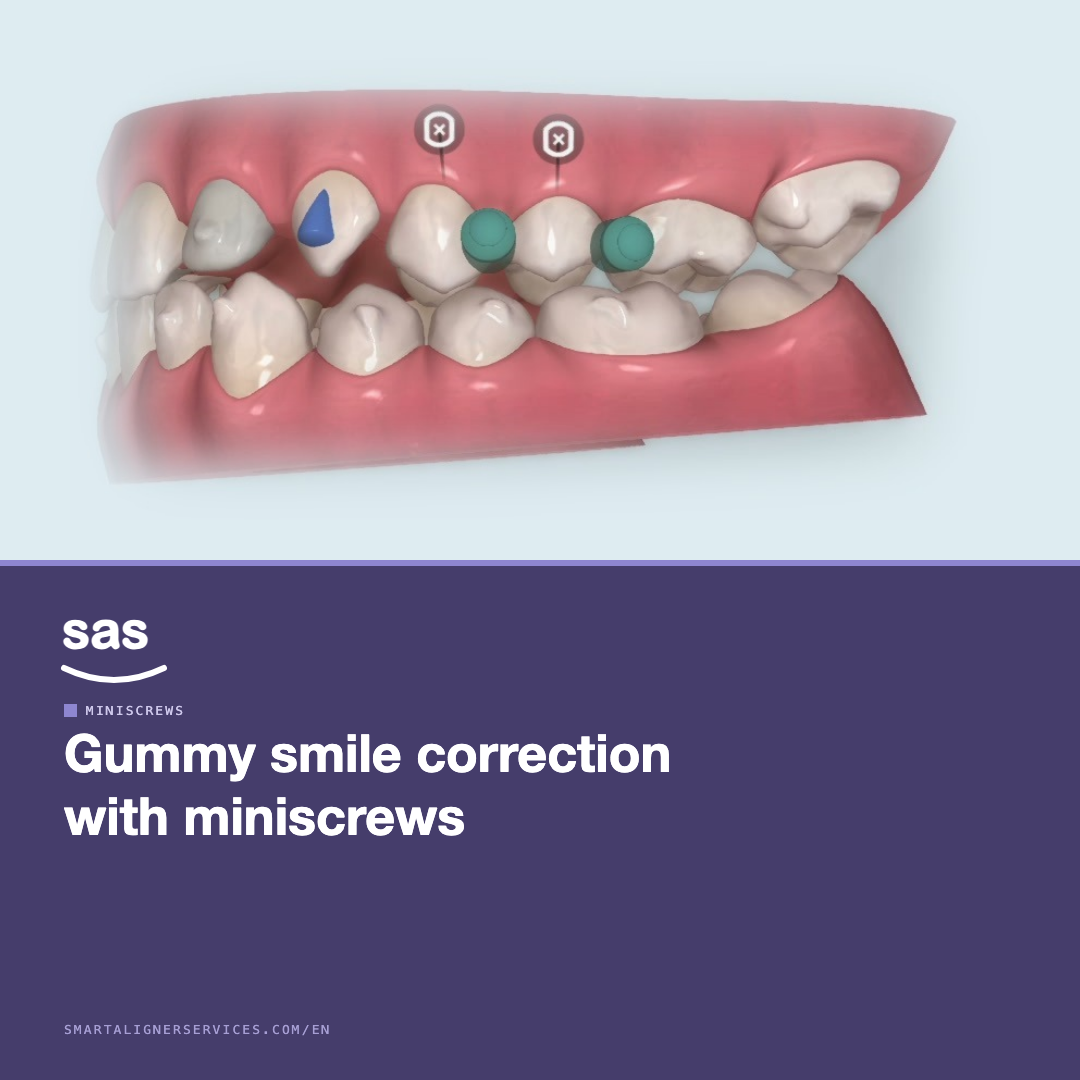
Correcting a gummy smile with miniscrews and clear aligners
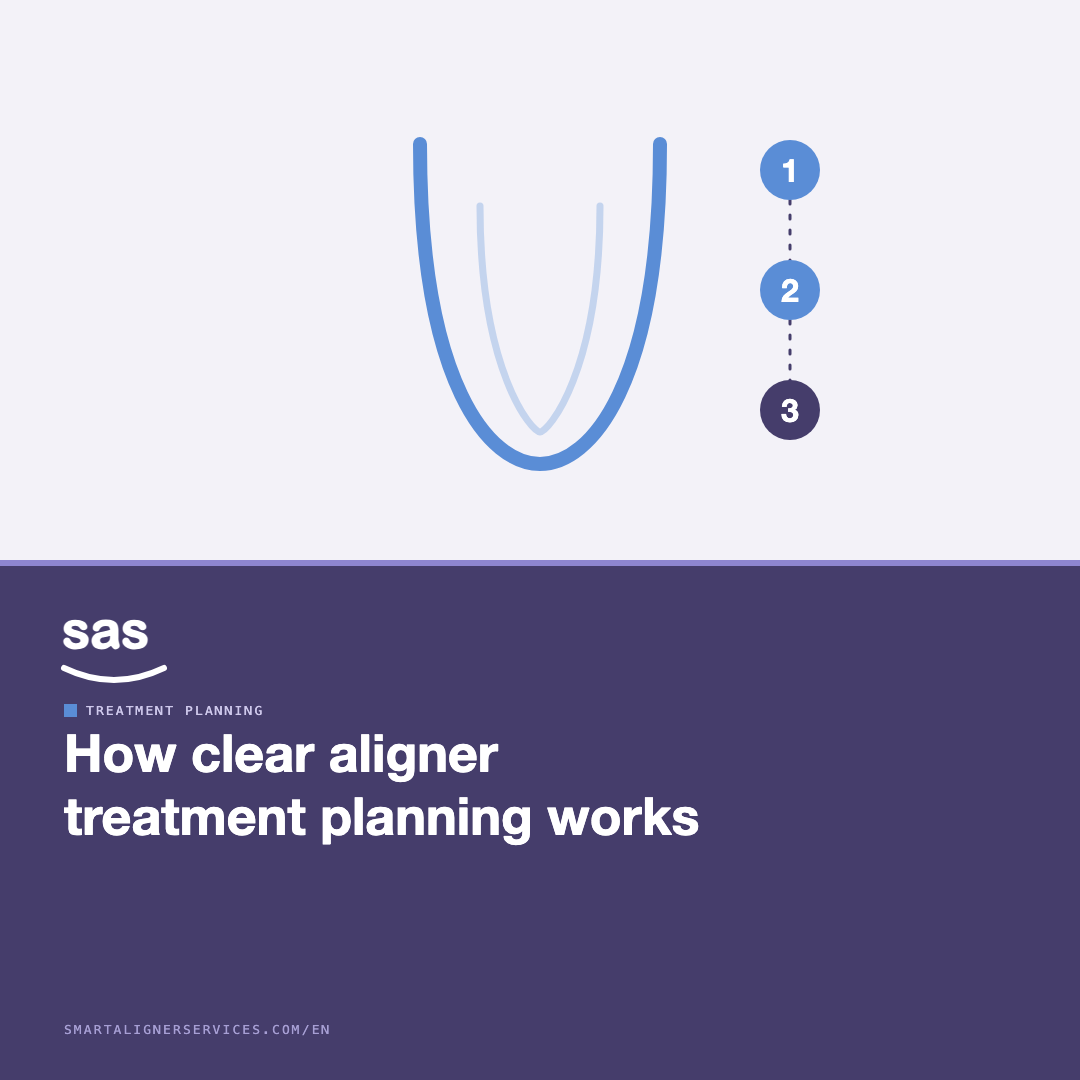
Clear aligner treatment planning: how it works
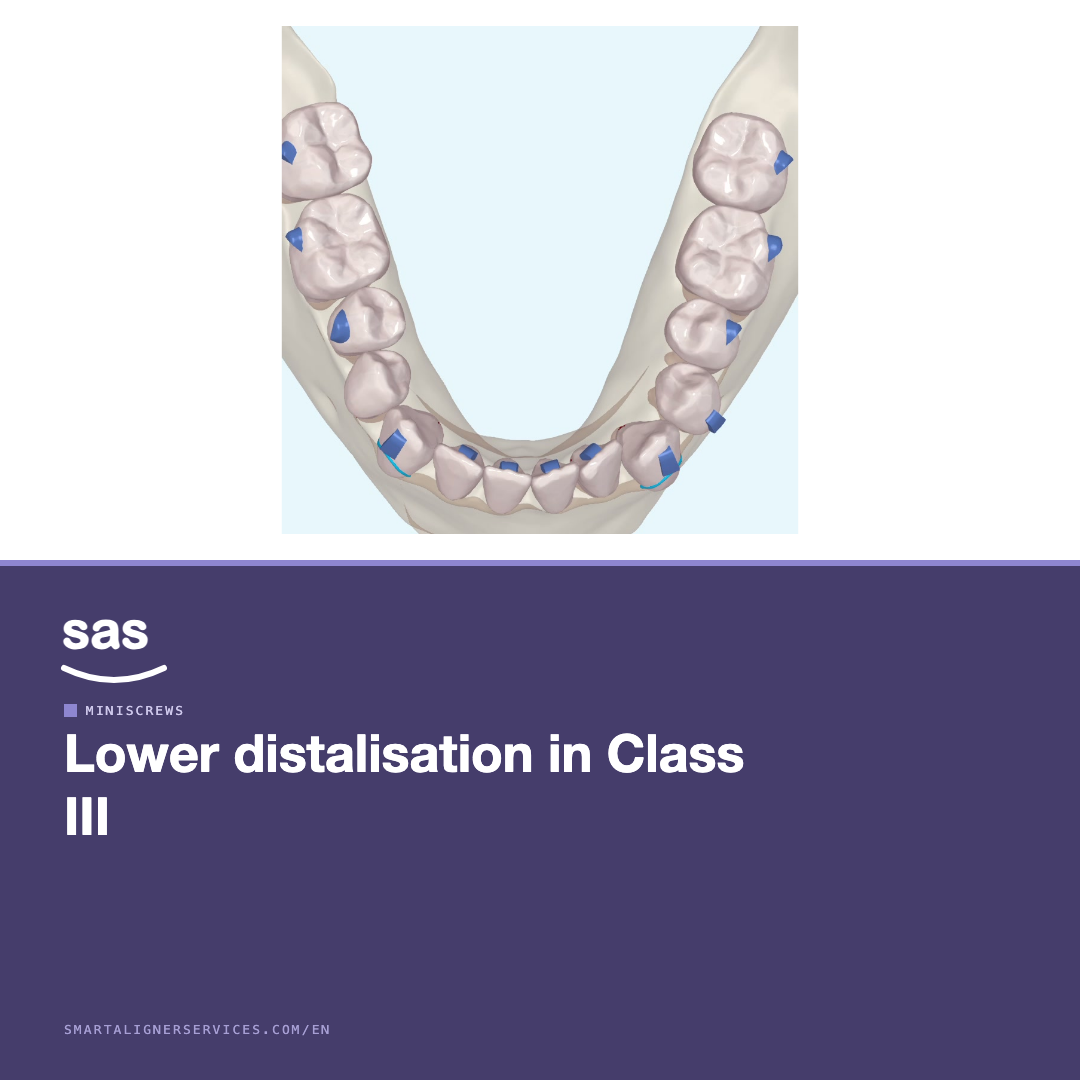
Lower distalisation with miniscrews in Class III


