

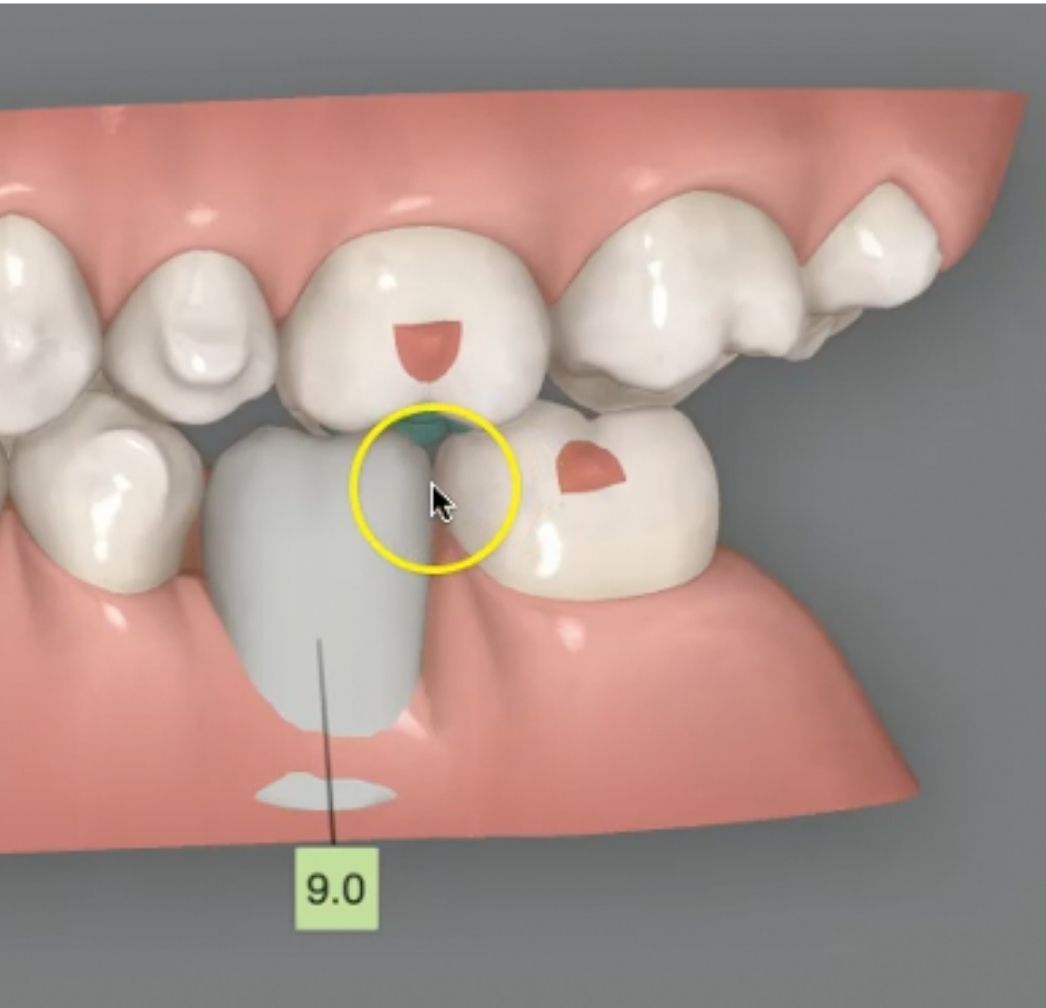
What to do if you have “extra” aligners when planning a treatment
In clinical orthodontic practice, we sometimes face a common situation: all planned tooth movements are completed before finishing a limited aligner package.
For example, imagine you have a 20-aligner refinement package and you design a sequence using a PIR protocol (Proclination, Intrusion, Retraction). The treatment progresses successfully and reaches its biomechanical goal by aligner number 17.
This raises an important clinical question:
Should we force additional movements just to “use up” the remaining aligners?
The answer is clear: Absolutely not. Forcing movements simply to fill available aligners is not a sound clinical strategy when:
-
Tooth movement velocities are already within physiological limits
-
The treatment sequence is biomechanically well designed
-
The system has reached its logical mechanical endpoint
Attempting to “stretch” treatment can compromise predictability and biological response.
So, what is the smart alternative?
The intelligent alternative: add selective overcorrection
When there is room within a limited aligner package, the best strategy is to identify the truly challenging movements, the so-called “problem teeth.”
Instead of forcing unnecessary movements, you should:
-
Analyze which teeth were most difficult to move.
-
Request additional aligners from the CAD designer.
-
Plan selective overcorrection for those specific teeth.
Selective overcorrection improves final accuracy and helps compensate for the natural tendency of certain movements to underperform clinically.
This approach maximizes the value of the aligner package while maintaining biomechanical integrity and treatment quality.
How to optimize limited aligner packages
To optimize the use of aligners in limited packages:
-
Do not force unnecessary movements
-
Identify genuinely complex tooth movements
-
Add targeted overcorrections in key treatment teeth
-
Maintain physiological movement rates
This is a simple, logical, and highly effective way to get the most out of your aligner system without compromising treatment quality.
Take your clear aligner treatments to the next level
If you want to learn more clinical strategies like this and elevate your clear aligner treatments, join the SAS Method and gain the confidence needed to design predictable, efficient, and high-quality invisible orthodontic treatment plans for both you and your patients.
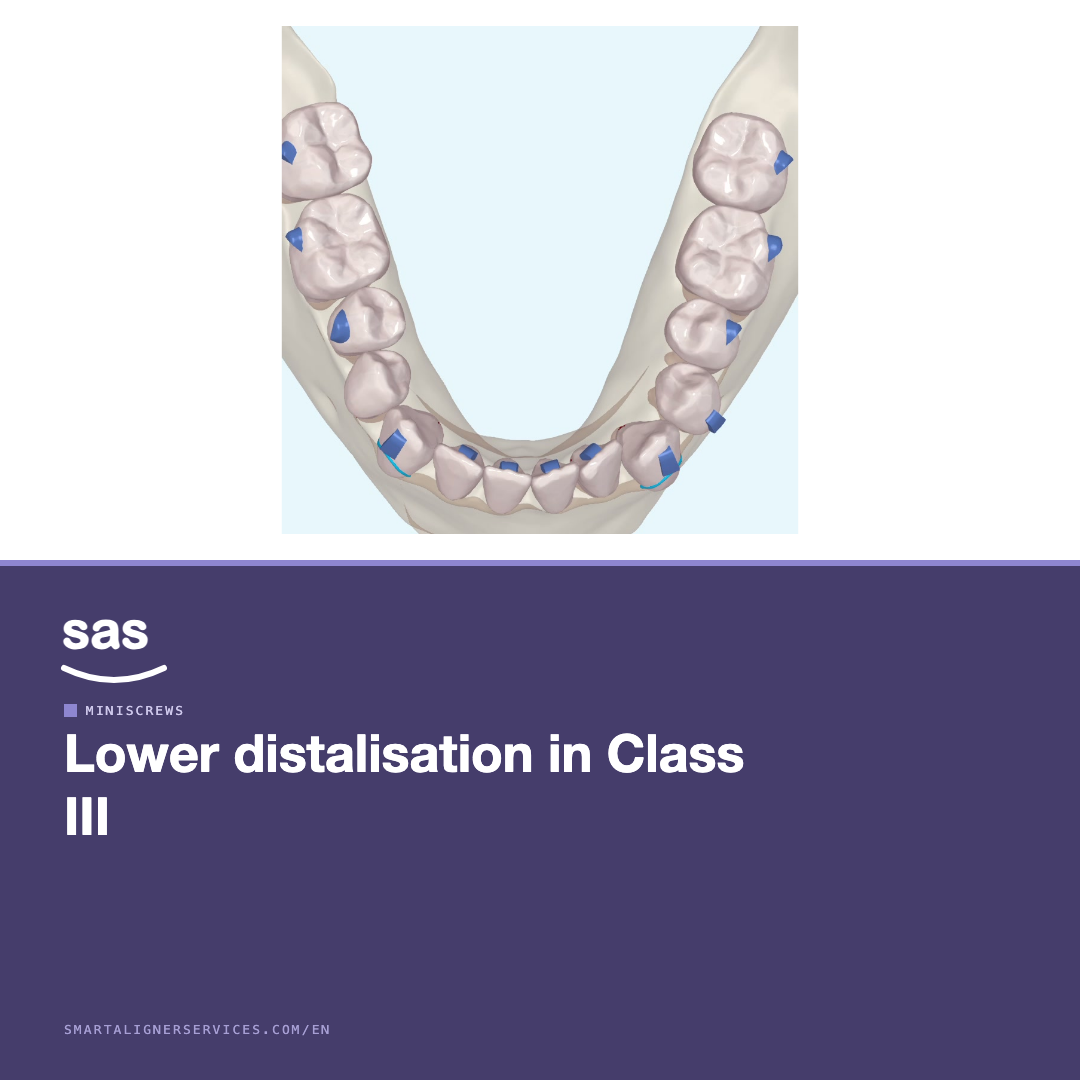
Lower distalisation with miniscrews in Class III
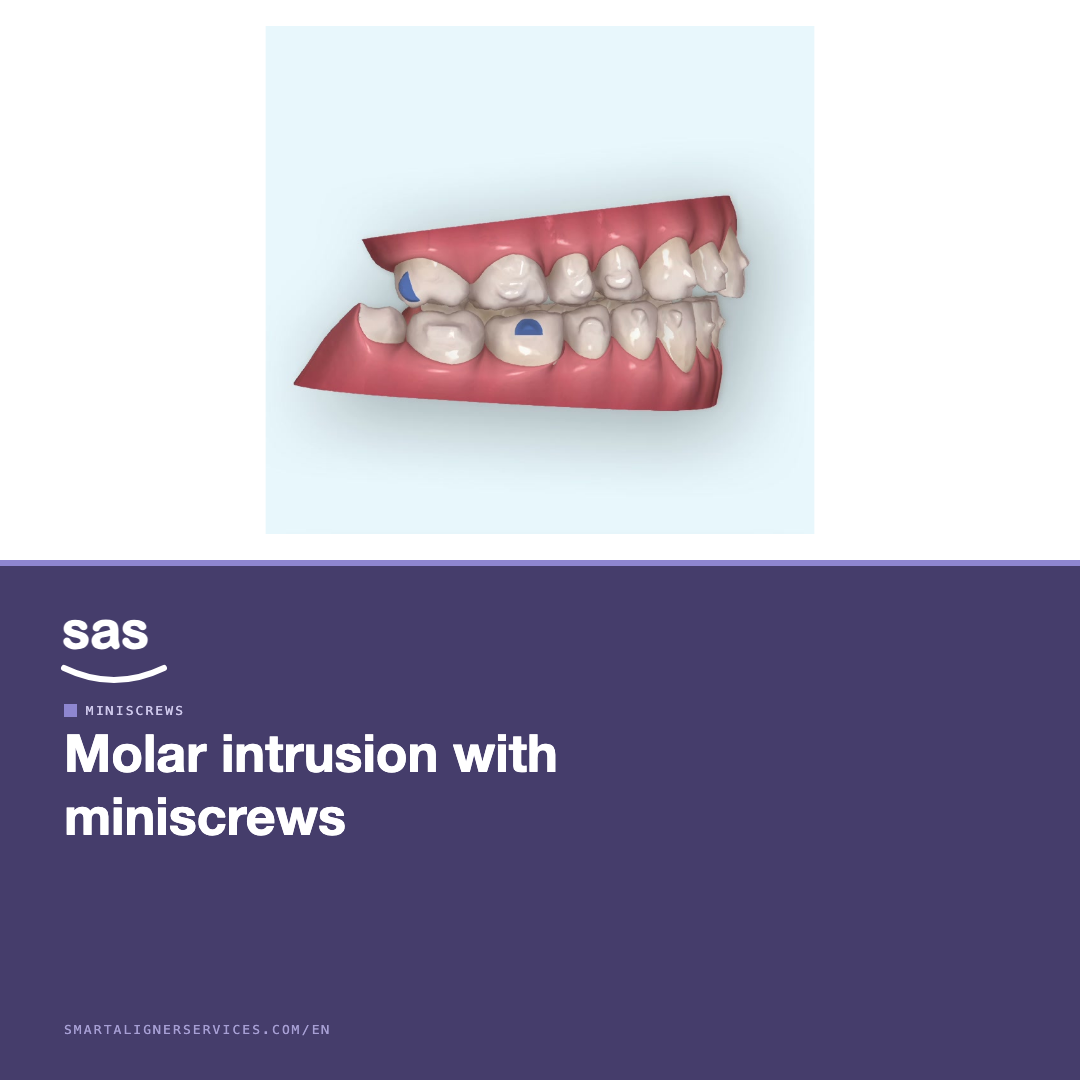
Molar intrusion with miniscrews to close an open bite
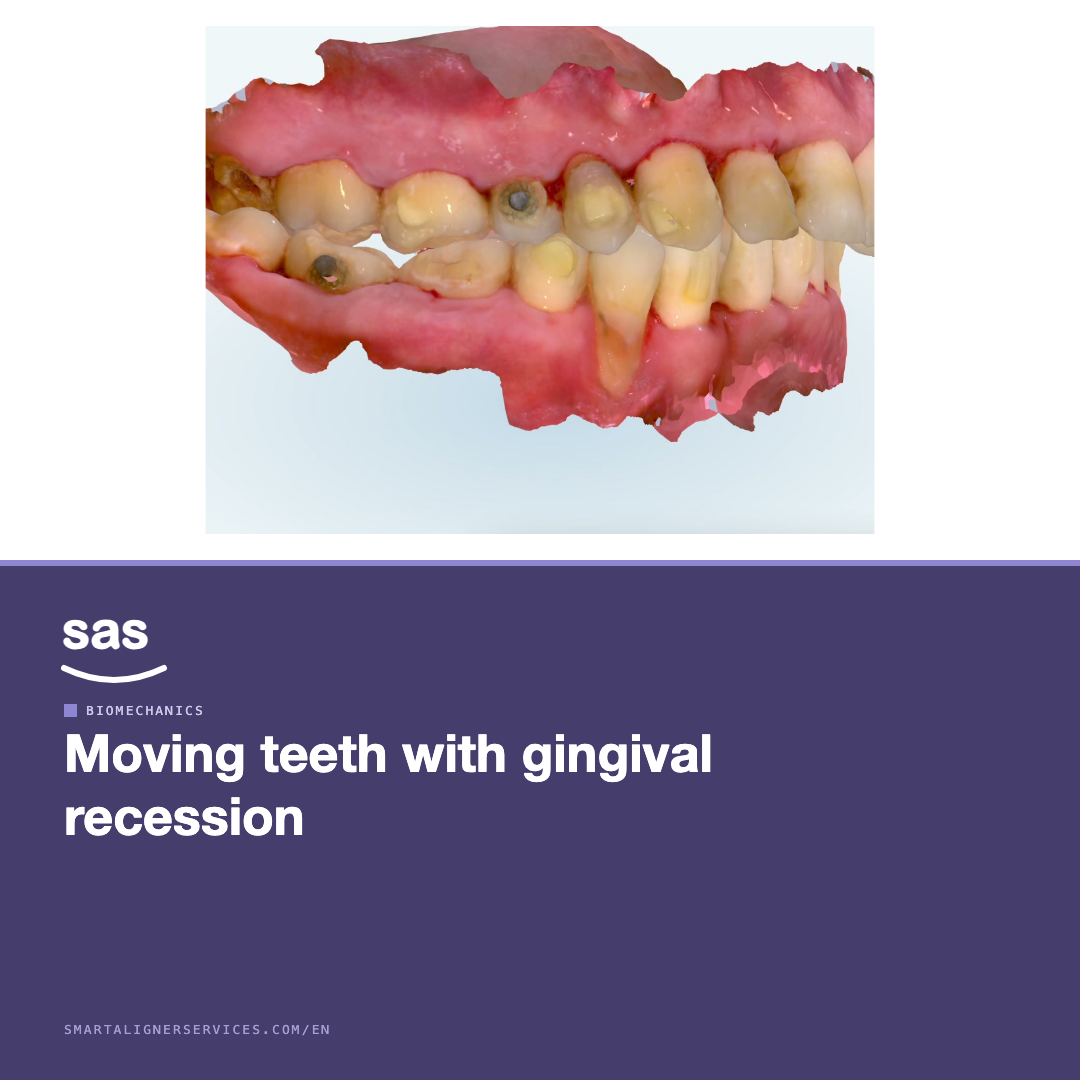
Moving teeth with gingival recession: sequence before force


